Athletes · 2 min read
High-Protein Meals for Training Days: What to Eat and When
How much protein you need when you train, how to spread it across the day, and what a training-day plate looks like.
By Shaun Wagner · 8 September 2026
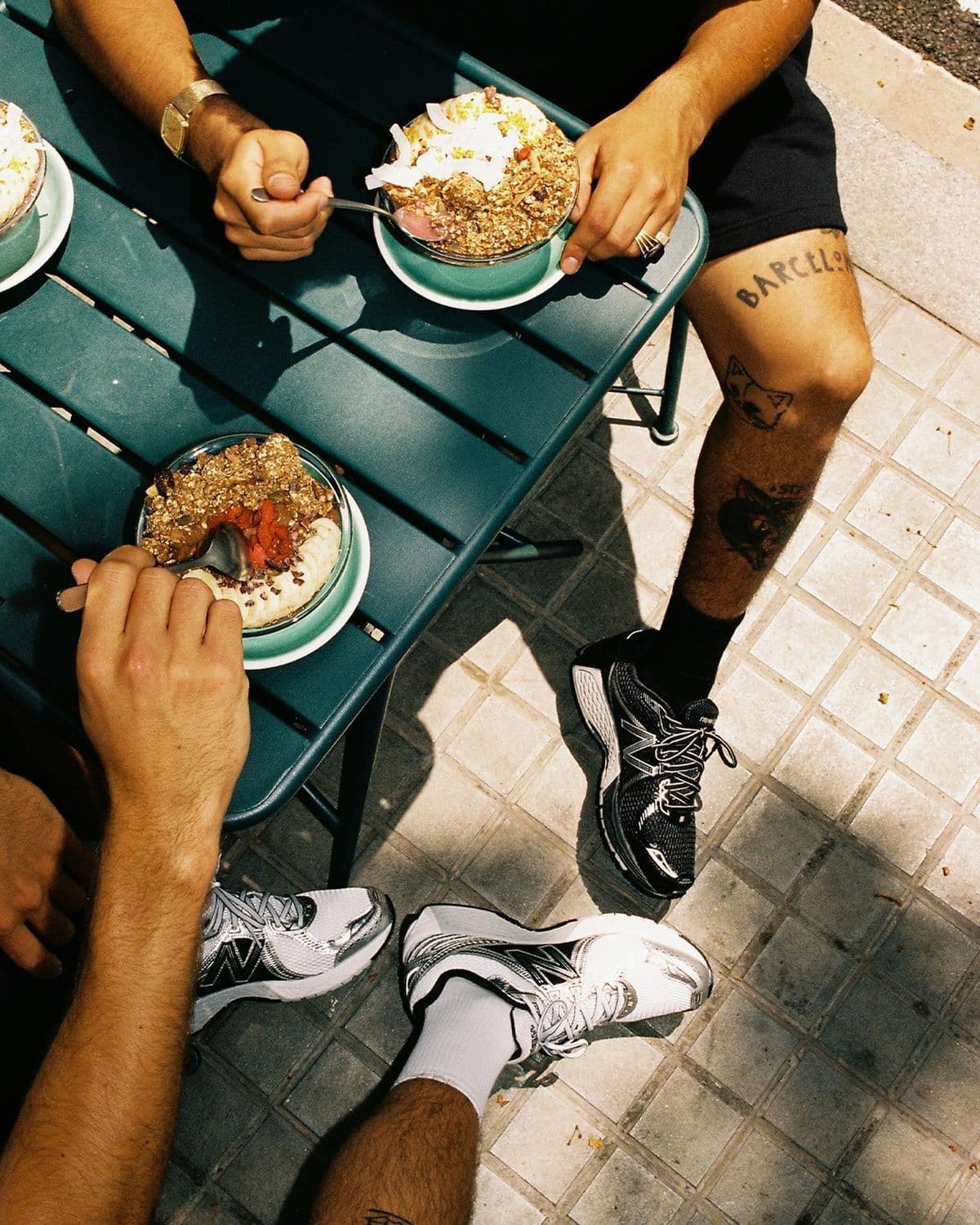
If you run, lift, swim, or play a sport that leaves you sore, protein is the part of your diet that decides whether the training turns into progress. Here's what the evidence supports, without the supplement-industry noise.
How much
For people who train regularly, 1.6 to 2.2 grams of protein per kilogram of body weight per day is the range that consistently supports muscle repair and growth. For a 75kg person that's 120–165g a day. Beyond that, more doesn't hurt, but it doesn't do much either.
How to spread it
Your body uses protein best in doses of roughly 25–40g, spaced through the day, rather than one enormous dinner. Three or four meals with a solid protein hit each is the pattern to aim for. Breakfast is where most people fall short — toast and coffee is 5g — so a 30g breakfast (eggs, yoghurt, or leftovers from last night) is often the single biggest fix.
Around the session
The "anabolic window" is wider than the old advice suggested: you don't need to inhale a shake within twenty minutes. But a proper meal with 30–40g of protein and some carbohydrate within a couple of hours of training helps recovery, and having it ready — rather than deciding what to cook when you're spent — is what makes it happen.
What a training-day plate looks like
- A palm-and-a-half of lean protein: chicken, beef, fish, or a serious portion of beans and grains for plant-based.
- A fist of slow carbohydrate — rice, sweet potato, wholewheat pasta — sized up on hard days, down on rest days.
- Vegetables. Lots. They're where the micronutrients that support recovery come from.
- Some fat — olive oil, avocado, nuts — for the sake of hormones and satiety.
Plates we'd point you at
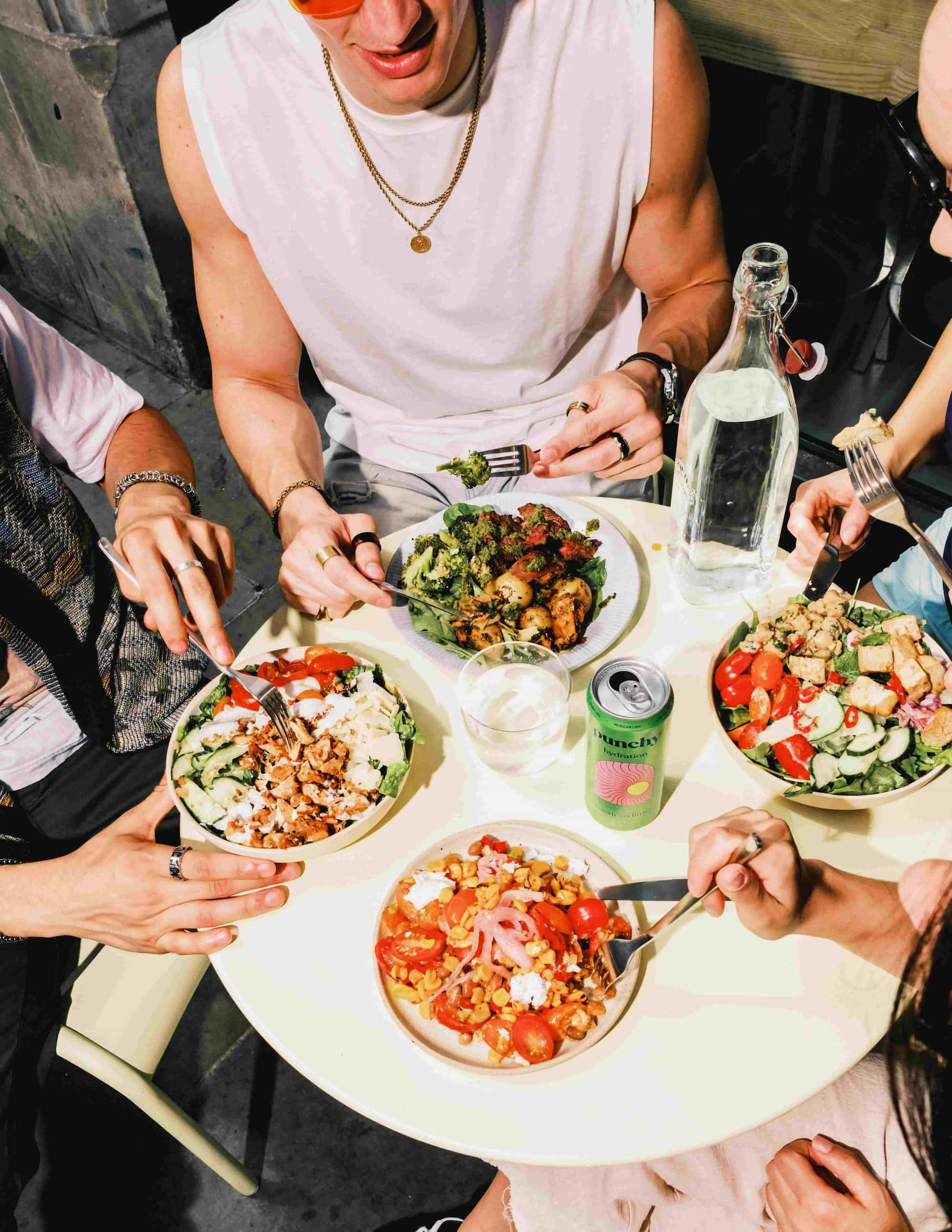
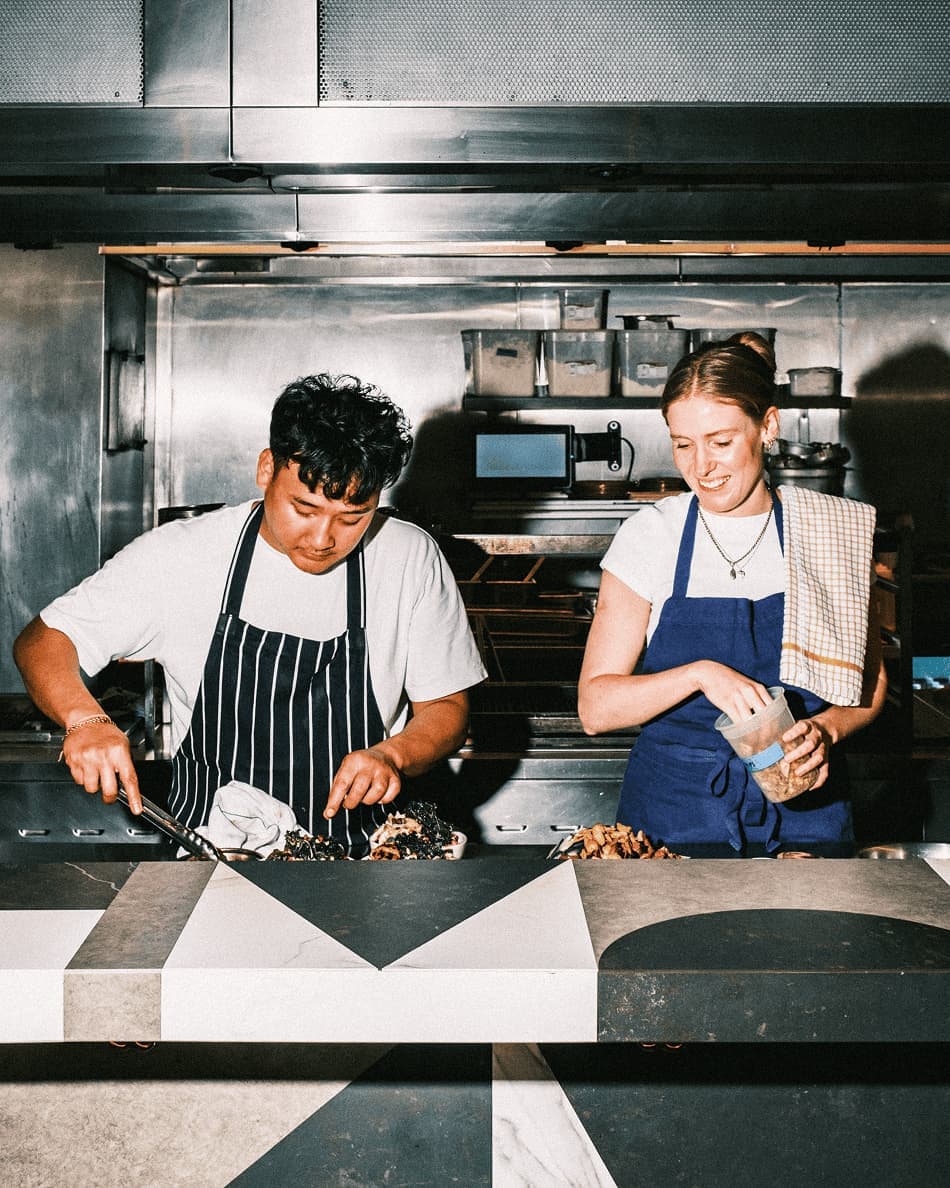
Our menu was built with this in mind — Jon cooks it, but it's designed around the numbers. The high-protein tag marks plates at 35g and up: the Santorini Bowl, the Rising Sun Bowl and the Fiesta Runner are all 42–43g at around 500–540 calories, and the Butcher's Plate is 40g. Athletes on the Prepd roster build boxes around exactly these — six or eight plates covering the evenings after training, delivered Monday, Wednesday and Friday so nothing sits in the fridge longer than it should.
Hungry?
Thirteen chef-designed plates, delivered Monday, Wednesday and Friday.
No subscription. Order by 8PM the night before.